Sustainable Solutions: How E-Waste Recycling Services Are Saving Our Planet
E-waste represents a considerable hazard to the environment, as abandoned electronic devices commonly carry harmful materials. Such dangerous compounds can pollute soil and water supplies, causing extensive damage to surrounding ecosystems. Electronic waste recycling programs offer an effective remedy. They serve the dual purpose of reclaiming precious materials and reducing contamination. Understanding how these services operate and their impact on communities is essential. The path to successful electronic waste management prompts vital discussions about personal accountability and communal efforts. What measures can be pursued from this point onward?
How E-Waste Is Hurting the Planet
Although technology enhances modern life, e-waste creates significant environmental threats. Discarded electronic devices, commonly laden with hazardous materials such as mercury, lead, and cadmium, may release harmful substances into groundwater and soil, creating hazards for human health and ecosystems. The accelerating rate of technological innovation results in higher rates of electronics disposal among consumers, intensifying the growing problem of discarded electronic materials.
Landfills, already burdened with waste, struggle to accommodate the growing volumes of discarded gadgets. Incineration, another disposal method, releases harmful pollutants into the atmosphere, contributing to air quality degradation. In addition, improper recycling practices can lead to the exportation of e-waste to developing countries, where laborers may dismantle devices without adequate safety measures, exposing themselves to dangerous substances. This pattern of negligence and mismanagement highlights the critical demand for eco-friendly recycling alternatives that can reduce the damaging impact of electronic waste on the environment.
Understanding E-Waste and Its Significance
Electronic waste, commonly known as e-waste, includes discarded electronic devices including computers, smartphones, and televisions that are no longer functional or needed. This increasingly prevalent form of waste is important owing to its accelerating volume, driven by technological advancements and consumer trends. As growing numbers of electronics become outdated, the environmental impact intensifies, with toxic materials such as lead, mercury, and cadmium posing risks to ecosystems and human health.
Addressing e-waste is crucial not only for reducing these dangers but also for acknowledging the precious materials found within it. Critical metals and rare earth components can be reclaimed and recycled, decreasing the reliance on mining and protecting natural resources. Through a deeper awareness of e-waste and its consequences, both individuals and organizations can make well-informed choices regarding disposal and recycling, thereby supporting a more sustainable future. Responsible management of e-waste plays a key role in supporting a circular economy and championing environmental stewardship.
How the E-Waste Recycling Process Works
The recycling of e-waste encompasses a structured approach designed to recover valuable materials while minimizing environmental impact. At the outset, discarded electronics are retrieved and sent to specialized recycling facilities. After reaching the facility, the devices undergo thorough sorting to distinguish harmful elements from reusable resources.
Next, technicians take apart the devices, separating glass, metals, and plastics. This stage is crucial, as it makes possible the reclamation of rare metals like gold, silver, and copper, which are repurposed in new electronics.
Subsequently, the separated materials are handled via sophisticated techniques, such as shredding and chemical treatments, to prepare them for repurposing.
Finally, the leftover hazardous waste is handled with responsibility, following environmental regulations. This comprehensive process not only preserves valuable resources but also mitigates the risks connected to unsafe e-waste handling, guaranteeing a greener future for the consumption of electronics.
Why E-Waste Recycling Matters for You and Your Community
While many individuals may not realize it, the positive effects of e-waste recycling extend beyond personal convenience to positively impact entire communities. By carefully processing electronic waste, individuals contribute to a cleaner environment, minimizing harmful substances that can seep into soil and water. This responsible method actively safeguards local ecosystems and supports public health.
In addition, the recycling of e-waste encourages the creation of jobs in communities. Community recycling operations commonly require workers for a range of functions, spanning collection through processing, thus generating valuable job opportunities for community members. This not only strengthens the regional economy but also encourages community engagement in sustainable practices.
Additionally, understanding of e-waste recycling can lead to awareness campaigns, encouraging residents to embrace sustainable practices. By engaging with e-waste recycling programs, individuals cultivate a culture of sustainability, encouraging others to do the same. All things considered, the shared impact of these actions can contribute to a more sustainable and conscientious community.
Tips for Choosing an E-Waste Recycling Service
Selecting the best electronic waste recycling provider is vital for ensuring that e-waste is managed with responsibility and sustainability. To begin, individuals should verify the company's certifications, such as R2 and e-Stewards certifications, which demonstrate compliance with industry standards for responsible recycling methods. Additionally, it is advisable to examine the company's standing by reviewing feedback and looking for referrals from reliable sources.
Moreover, openness in the recycling process is crucial. A reliable service should offer detailed insights about the way e-waste is handled and how the materials are utilized. Moreover, evaluating the range of services offered can be beneficial; certain providers may offer collection services or present rewards for recycling.
In addition, understanding area-specific requirements for e-waste disposal may further shape the choice of disposal method. When these considerations are given priority, people are able to support efficient electronic waste handling as well as promoting environmentally responsible practices.
How You Can Get Involved in E-Waste Recycling?
Getting involved with e-waste recycling may begin at the local level, where local recycling facilities often provide essential services for responsible disposal. Browse all Furthermore, taking part in community awareness campaigns can strengthen efforts to inform others regarding the importance of proper e-waste handling. These initiatives not only encourage sustainable practices but also foster a collective sense of accountability for the environment.
Area Recycling Stations
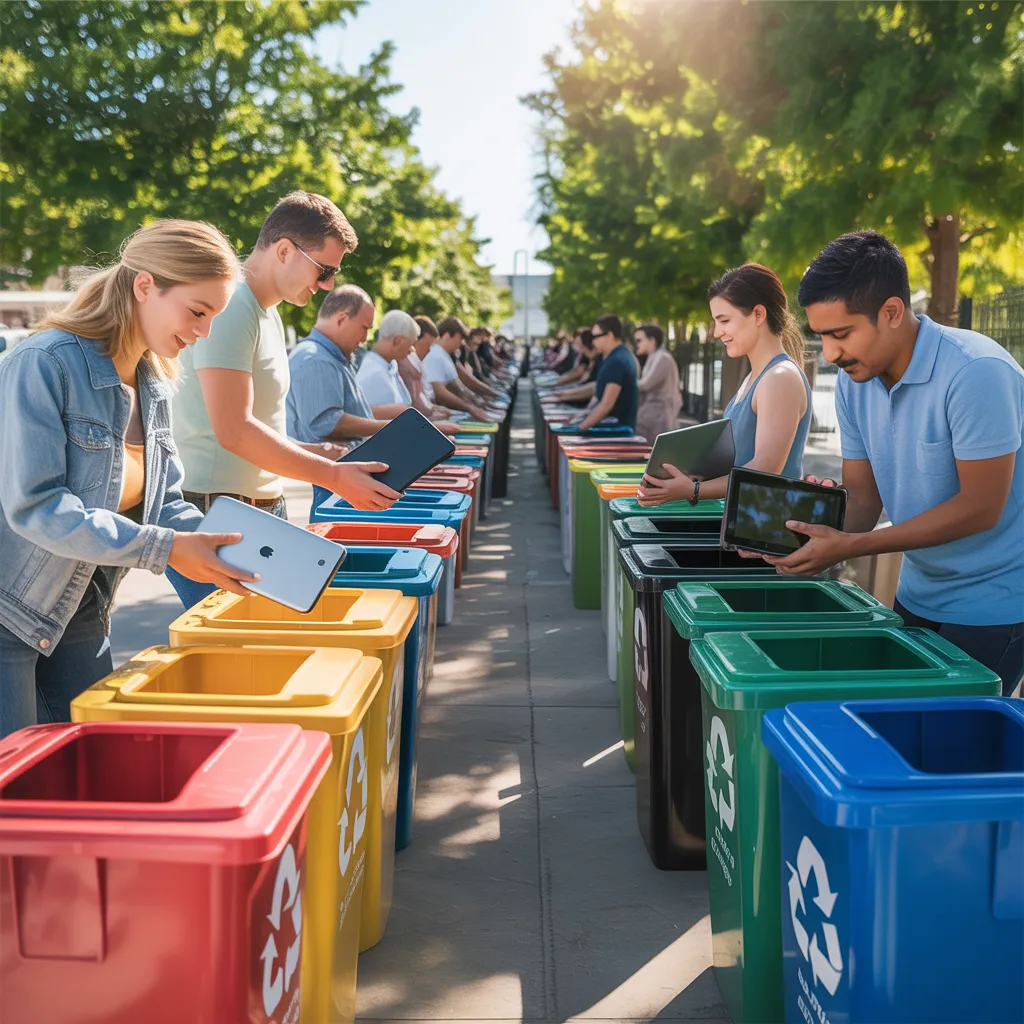
Many regional recycling hubs serve a vital function in the recycling of e-waste, offering communities convenient opportunities to discard electronic waste in an eco-friendly way. These hubs welcome a selection of electronic devices, including outdated computers, mobile phones, and TVs, making certain that hazardous materials are managed safely. The majority of facilities employ qualified professionals who are able to assist individuals with correct disposal techniques, stressing the significance of recycling instead of landfilling. Furthermore, various hubs coordinate planned drop-off gatherings or set collection days, making participation convenient for residents. By engaging with these local facilities, residents support a circular economy, minimizing ecological impact and fostering sustainable behaviors. Engaging with these centers enables communities to combat e-waste pollution successfully.
Community Outreach Campaigns
Nearby organizations, schools, and enterprises can partner to arrange initiatives that encourage e-waste collection drives. Dedicated participants can take a leading part in promoting knowledge, handing out educational content, and interacting with the surrounding community. Through these collective efforts, residents become more informed and motivated to recycle their electronic waste, thereby helping to build a greener and more sustainable tomorrow.
Questions We Often Receive
What Types of Electronics Can Be Recycled?
Numerous electronics may be recycled, including laptops, televisions, smartphones, printers, computers, and gaming consoles. Moreover, ancillary devices such as keyboards, mice, and batteries are well-suited for recycling, supporting eco-friendly conservation initiatives.
Do Any Costs Come With E-Waste Recycling?
That's correct, e-waste recycling sometimes comes with fees, based on the service provider. Certain providers impose charges for collection or processing, while others make services available at no charge, frequently supported by the proceeds from salvaged materials.
How Can Businesses Benefit From E-Waste Recycling?
Businesses can benefit from e-waste recycling by reducing disposal costs, strengthening their ecological standing, adhering to regulatory requirements, recovering valuable materials, and potentially generating revenue through resale, ultimately contributing to a more sustainable operational strategy.
What Becomes of Data on Recycled Devices?
Data on refurbished equipment is commonly permanently erased or eliminated during processing. This confirms sensitive information stays protected, preventing unauthorized access while enabling materials to be recycled carefully and ethically in new products.
Is It Possible to Recycle Damaged Electronics?
Absolutely, defective electronics are able to be recycled. Numerous centers process broken devices, providing proper disposal and retrieval of valuable materials. Doing so helps lower environmental impact while supporting sustainable recycling habits to handle electronic waste efficiently.